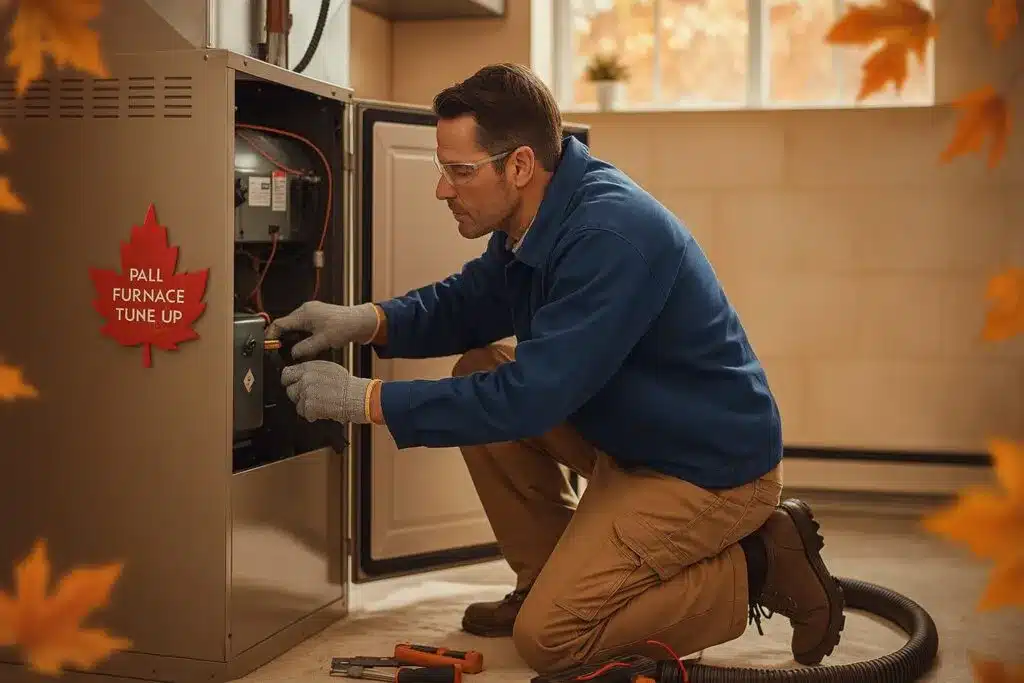
As the leaves turn and temperatures start to dip, Bees Knees Plumbing and Heating is sending out a seasonal reminder to homeowners: now’s the time to schedule your furnace checkup.
Why the urgency? Because skipping this simple step could put your home and your health at risk.
The Hidden Danger: Carbon Monoxide
Each year, hundreds of people across the U.S. and Canada lose their lives to carbon monoxide (CO) poisoning, many of them during the colder months when furnaces and heaters are in full use.
-
- In 2022 alone, over 1,200 people in the U.S. died from CO poisoning, with a noticeable uptick in fall and winter.
-
- Canada sees around 300 deaths and 200 hospitalizations annually from CO exposure.
-
- Portable generators account for a large chunk of these deaths, but home furnaces are also a serious risk—especially if neglected.
Recent incidents in provinces like Quebec, Alberta, and British Columbia have tragically shown how dangerous undetected CO leaks can be.
Why Fall Maintenance Is a Must
A fall furnace inspection ensures your heating system is ready to handle the winter workload. Dust buildup, aging parts, or a clogged filter might not seem serious—until your furnace stops working in the middle of a cold snap.
Here’s what regular maintenance can do:
-
- Prevent surprise breakdowns
-
- Improve heating efficiency
-
- Lower energy bills
-
- Extend the life of your furnace
Safety First: Prevent CO Leaks and Fires
Carbon monoxide is colorless, odorless, and deadly. Older or poorly maintained furnaces are more likely to have cracks, blockages, or dirty burners that lead to CO buildup. Annual checkups ensure these issues are caught early.
And it’s not just about CO dust and debris can become a fire hazard too. Keeping your system clean and connections secure goes a long way toward home safety.
What’s Included in a Furnace Checkup?
At Bees Knees Plumbing and Heating, fall service includes a full system tune-up by a certified technician. Here’s what you can expect:
- Air filter cleaning or replacement
-
- Ductwork and vent inspection
-
- Thermostat calibration
-
- Heat exchanger and flue checks
-
- Electrical and mechanical tune-up
-
- Safety system testing
You’ll also get a clear report on your system’s condition and expert advice on next steps if anything needs attention.
What You Can Do at Home
While some things are best left to the pros, you can take a few steps yourself:
-
- Change your furnace filter every 1–3 months
-
- Keep the area around your furnace clean
-
- Test your carbon monoxide detectors
-
- Make sure vents and registers aren’t blocked
-
- Program your thermostat for fall/winter
Don’t Wait Until It’s Freezing
Furnace technicians book up fast once the first cold snap hits. Schedule your fall inspection early to avoid the rush and the risk of being left in the cold.
Contact Bees Knees Plumbing and Heating today to book your appointment and make sure your home stays warm, safe, and efficient all winter long.
Q&A: Fall Furnace Maintenance & Carbon Monoxide Safety
Fall maintenance keeps your heating system running safely and efficiently before winter begins. Technicians check for cracked heat exchangers, clogged filters, dirty burners, and blocked vents—all of which can cause breakdowns or dangerous conditions. Preventative maintenance helps lower energy bills, extends the life of your furnace, and reduces the risk of emergency repairs during freezing weather.
Yes. Furnaces that burn fuel improperly or have ventilation issues can leak carbon monoxide (CO). Common causes include cracks in the heat exchanger, dirty burners, blocked flues, or poorly sealed vent pipes. Since CO is colorless and odorless, leaks can go undetected without a professional inspection, putting your family at risk during the heating season.
CO poisoning symptoms often mimic the flu, including headaches, nausea, dizziness, fatigue, and confusion. More serious cases may lead to shortness of breath, chest pain, or even loss of consciousness. A warning sign is when symptoms improve after leaving home but return once you’re inside. This is a red flag that your furnace or another appliance could be leaking CO.
Place CO detectors on every level of your home, especially near bedrooms. Unlike smoke alarms, CO detectors should be positioned at about knee to head height, since CO mixes with air differently than smoke. Avoid placing them right next to fuel-burning appliances or bathrooms, as steam and fumes can trigger false alarms.
At least once a year. The best time is early fall, before the heating season begins. During an inspection, a licensed technician will check the combustion system, test the heat exchanger, clean burners, and verify safety shut-offs. These steps ensure your furnace is safe, efficient, and ready for cold weather
Homeowners can replace furnace filters every 1–3 months, vacuum around the furnace to remove dust, and make sure vents and registers aren’t blocked. Watch for warning signs like soot around the furnace, rust on vent pipes, or yellow flames instead of steady blue ones. However, tasks like checking the flue, combustion chamber, or testing for CO leaks should always be done by a professional.